Is Microcement Waterproof? Everything You Need to Know Before Installing
Microcement has become an increasingly popular choice for bathrooms, kitchens and contemporary interiors across Scotland and the UK. With its seamless appearance, natural texture and versatility, it's easy to see why homeowners and interior designers are choosing it as an alternative to traditional tiles.
However, one of the most common questions people ask before investing in microcement is: is microcement waterproof?
The answer depends on the type of microcement, the waterproofing system used and how the surface is installed and sealed.
In this guide, we'll explore how microcement performs in wet environments, whether it's suitable for showers and bathrooms, and what you should consider before installing it in your home.
What Is Microcement?
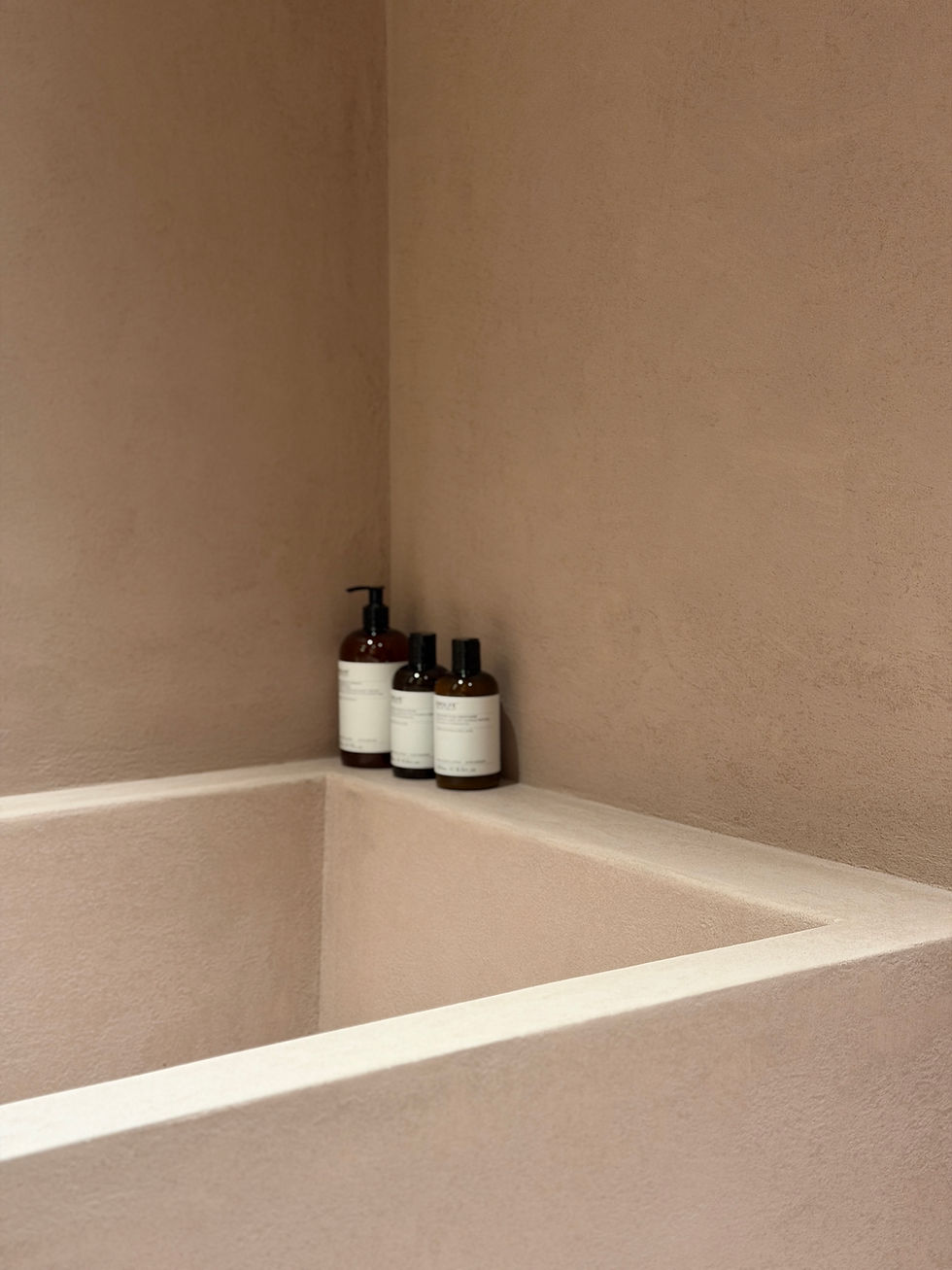
Microcement is a thin, decorative coating that can be applied to a variety of surfaces, including walls, floors, worktops and furniture.
Typically made from a combination of cement, polymers, mineral pigments and specialist additives, microcement creates a continuous surface without the grout lines associated with traditional tiles.
Its versatility makes it particularly appealing for contemporary interiors, where seamless finishes and natural materials are increasingly popular.
Microcement is available in a wide range of colours and textures, from smooth, polished surfaces to more textured, concrete-inspired finishes.
Unlike conventional concrete, microcement can be applied in relatively thin layers, making it suitable for many renovation projects where maintaining existing floor levels and dimensions is important.
Is Microcement Waterproof?
One of the biggest misconceptions about microcement is that the decorative coating itself is always completely waterproof.
In reality, waterproof performance depends on the specific product and the complete installation system.
Some specialist microcement products are formulated to resist water, but many traditional cement-based microcement coatings are porous before sealing.
To make these surfaces suitable for wet environments, installers use compatible primers, waterproofing membranes where required, and protective sealers.
When the correct system is professionally installed, microcement can provide a durable, water-resistant decorative finish suitable for bathrooms, showers and wet rooms.
However, the decorative coating should not automatically be treated as a substitute for proper waterproofing beneath the surface.
This distinction is particularly important in areas exposed to regular or continuous water.

Can You Use Microcement in a Shower?
Yes, microcement can be an excellent choice for shower walls and floors when installed using a system specifically designed for wet areas.
Its seamless appearance makes it particularly attractive for walk-in showers, where homeowners want to create a clean, contemporary finish without visible grout lines.
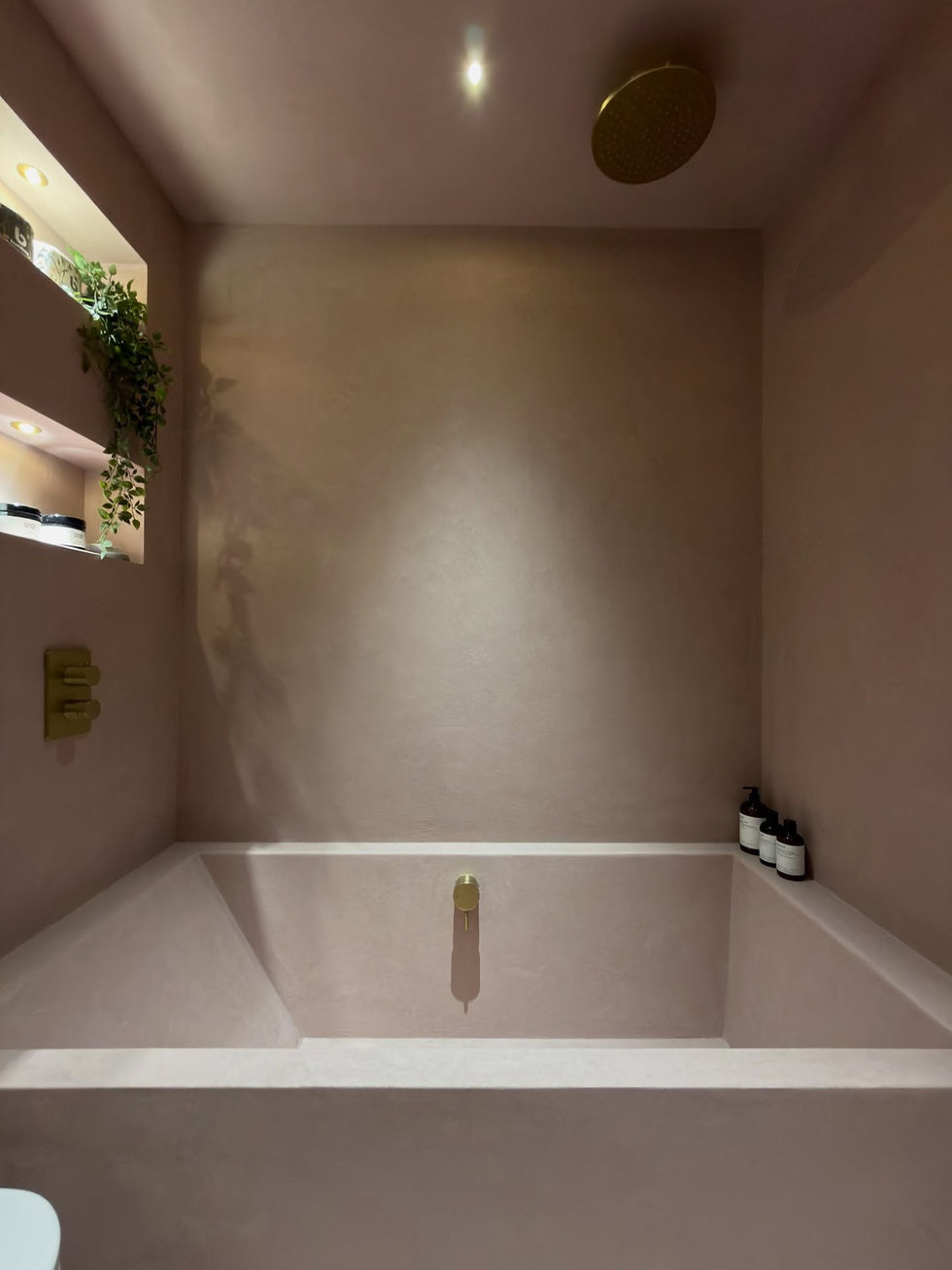
Unlike tiled showers, which feature multiple grout joints, microcement creates a continuous decorative surface that can extend across walls, floors and built-in seating.
This allows for a more cohesive bathroom design, particularly when the same colour and texture are used throughout the space.
However, shower installations require careful preparation.
The substrate must be stable, the shower area must have appropriate waterproofing, and the microcement system must be compatible with the intended exposure to water.
For shower floors, slip resistance is another important consideration. The texture and protective coating should be selected to provide suitable grip when wet.
Working with experienced microcement installers is essential to achieving both the desired appearance and reliable long-term performance.
Why Is Microcement Popular for Bathrooms?
Microcement bathrooms have become a popular choice for homeowners looking to move away from traditional tiled interiors.
Beyond its appearance, there are several practical reasons why this specialist finish works well in bathroom design.
1. Seamless, Grout-Free Surfaces
One of the biggest advantages of microcement is its continuous appearance.
Traditional tiled bathrooms contain grout lines that can collect dirt, soap residue and moisture over time.
Microcement eliminates these grout joints from the decorative surface, creating a cleaner and more streamlined finish.
This can be particularly effective in smaller bathrooms, where reducing visual interruptions helps create the impression of a larger space.
2. A Wide Range of Colours and Finishes
Microcement isn't limited to the grey concrete appearance many people associate with the material.
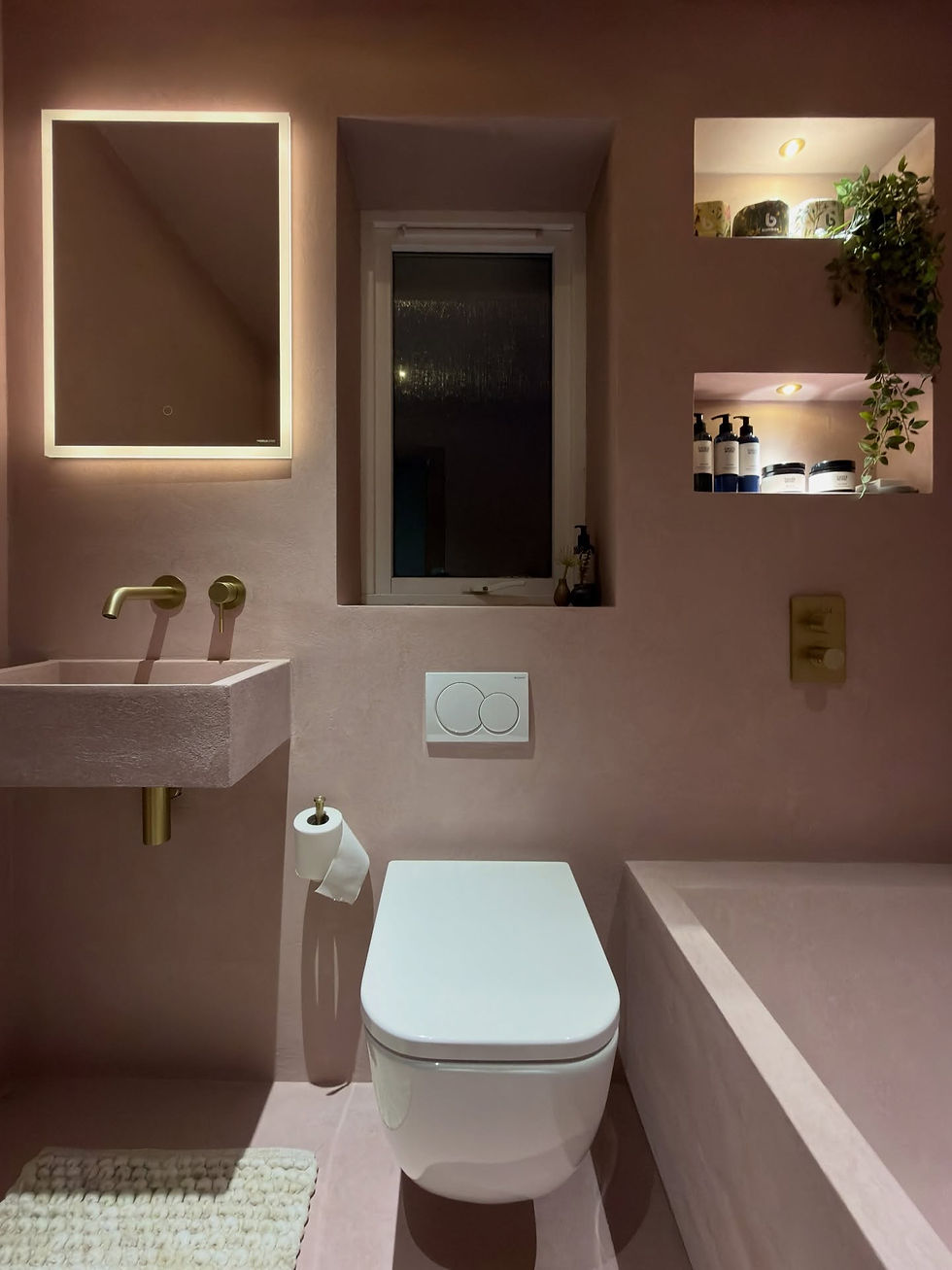
Modern microcement systems are available in a variety of colours, including warm beige, taupe, off-white, earthy brown, charcoal and soft stone tones.
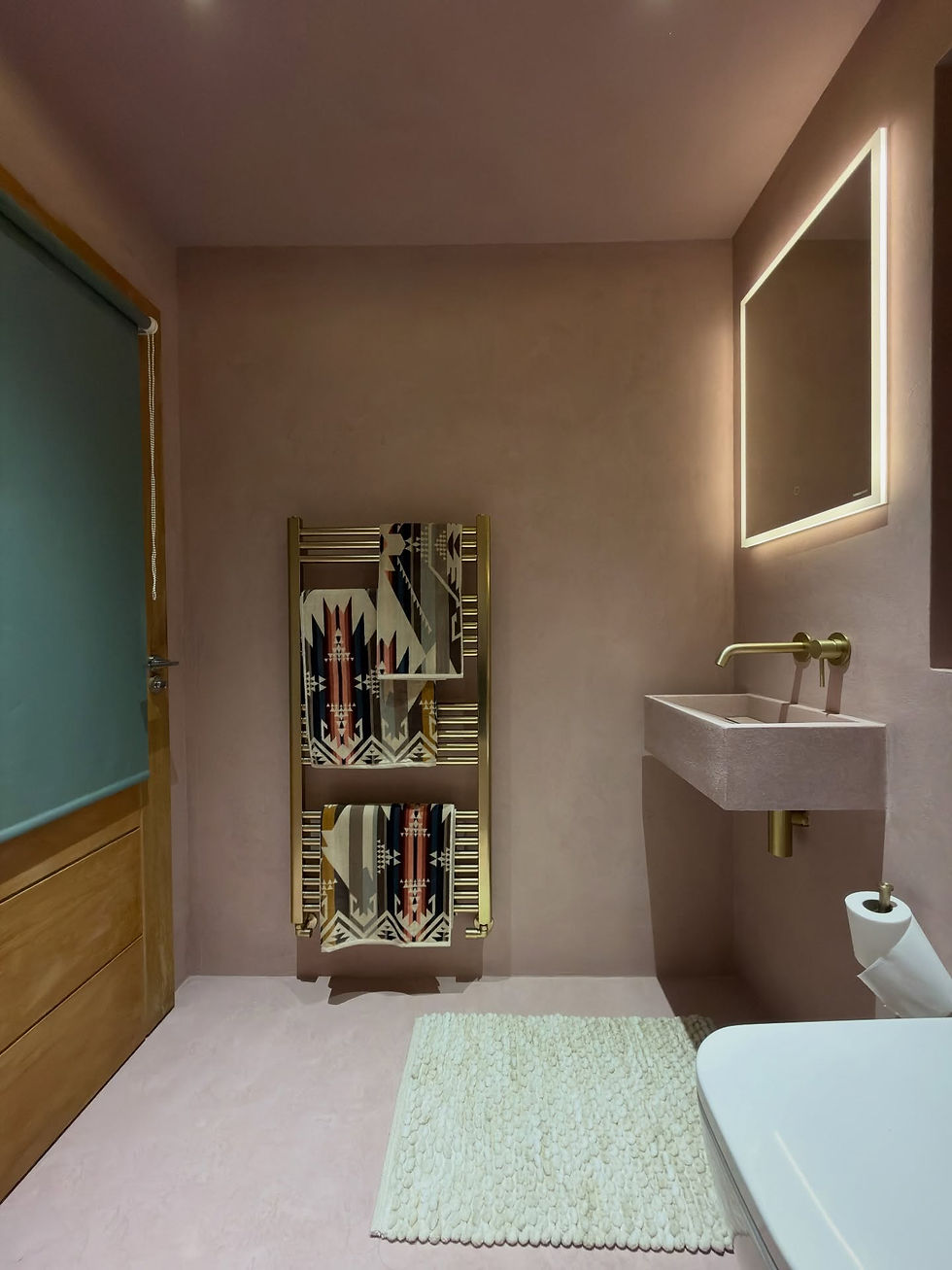
These finishes work beautifully alongside natural timber, brushed brass, stone basins and contemporary bathroom fittings.
Whether you're creating a minimalist wet room or a luxurious spa-inspired bathroom, microcement offers considerable design flexibility.
3. Suitable for Walls and Floors
One of the most appealing qualities of microcement is the ability to create a coordinated finish across different surfaces.
Using compatible systems, the same aesthetic can continue from bathroom walls onto floors, shower enclosures and built-in features.
This creates a unified appearance that can be difficult to achieve with conventional wall and floor tiles.
4. Can Be Applied Over Existing Tiles
In some renovation projects, microcement can be installed directly over existing tiles.
This can reduce the need for extensive demolition and help minimise disruption.
However, the existing tiles must be securely bonded, stable and suitable for the proposed system.
Any loose tiles, damaged substrates or existing waterproofing problems must be addressed before installation.
Applying microcement over tiles should never be used to conceal underlying moisture or structural issues.
What Happens If Microcement Isn't Properly Sealed?
Sealing is an important part of many microcement systems, particularly in bathrooms and other moisture-prone environments.
Without appropriate protection, water may penetrate the decorative coating, potentially causing staining, discolouration or deterioration.
Poorly applied or damaged protective coatings can also allow moisture to affect the surface over time.
Potential problems include:
Water staining or dark patches
Surface discolouration
Premature wear
Deterioration of protective coatings
Moisture-related damage where the underlying waterproofing is inadequate
These issues highlight why correct installation is just as important as choosing a high-quality microcement product.
An experienced installer will select the appropriate system for the environment and follow the manufacturer's requirements for preparation, waterproofing, application and sealing.
Is Microcement Suitable for Wet Rooms?
Microcement is particularly well suited to the visual style of modern wet rooms.
Because wet rooms often feature open shower areas and minimal partitions, a continuous decorative finish can help create a spacious and uncluttered appearance.
However, wet rooms place greater demands on waterproofing than many other areas of the home.
The floor must have the correct falls towards the drainage system, while the underlying waterproofing must protect the structure from water penetration.
Movement joints, drainage connections and transitions between surfaces also require careful detailing.
Microcement can provide the decorative finish, but it must form part of a properly designed wet room installation.
For homeowners considering a microcement wet room in Scotland or elsewhere in the UK, it's important to work with specialists who understand both the aesthetic and technical requirements of the project.
Is Microcement Easy to Clean?
One of the reasons homeowners choose microcement for bathrooms is its relatively straightforward maintenance.
With no decorative grout lines to scrub, everyday cleaning can be simpler than with some traditional tiled surfaces.
However, microcement still requires appropriate care to preserve its protective finish.
For routine cleaning, we generally recommend:
Using a soft cloth, sponge or mop
Choosing mild, pH-neutral cleaning products
Avoiding abrasive brushes and scouring pads
Avoiding harsh acidic or chemical cleaners unless approved by the manufacturer
Cleaning away soap residue and standing water regularly
Protective coatings may also require periodic inspection or renewal, depending on the system, usage and manufacturer's recommendations.
Following the correct maintenance guidance will help keep your microcement surfaces looking their best for years to come.
How Long Does Microcement Last in a Bathroom?
When professionally installed and properly maintained, microcement can provide a long-lasting bathroom finish.
Its lifespan depends on several factors, including the quality of the substrate, the products used, the installation process and how the surface is cared for.
Bathrooms and showers are demanding environments because surfaces are regularly exposed to moisture, cleaning products and temperature changes.
Over time, protective sealers may require maintenance or reapplication to maintain their performance.
It's also important to remember that microcement is a relatively thin coating. Significant movement or cracking in the underlying substrate can affect the finished surface.
Choosing a specialist installer and following the recommended maintenance instructions can help maximise the lifespan of your investment.
Can Microcement Crack?
Like many decorative finishes, microcement can develop cracks if the underlying surface moves or if the system is installed incorrectly.
Common causes include unstable substrates, existing structural cracks, inadequate preparation and movement between different building materials.
Although some microcement systems incorporate reinforcement and flexible components, they cannot compensate for significant structural movement.
This is why surface preparation and substrate assessment are essential stages of professional installation.
A qualified specialist should identify potential issues before applying the finish and recommend suitable preparation methods.
Is Microcement Worth It for Your Bathroom?
Microcement can be an excellent investment for homeowners who value contemporary design, natural textures and seamless finishes.
Its ability to create a coordinated appearance across walls, floors and other bathroom features makes it particularly appealing for luxury renovations and modern residential projects.
However, it's important to approach microcement as a specialist surface finish rather than a simple replacement for paint or tiles.
The quality of the installation, waterproofing and protective coatings will have a significant impact on how the finished bathroom performs.
For this reason, professional installation is one of the most important considerations when planning a microcement bathroom.
Professional Microcement Installation in Scotland and Across the UK
Whether you're renovating a family bathroom, creating a contemporary wet room or designing a luxury en-suite, choosing the right materials and installation system is essential.
As specialists in microcement, Venetian plaster and decorative finishes, we work with homeowners, architects and interior designers across Scotland and the rest of the UK to create bespoke surfaces tailored to each project.
From selecting the right colour and texture to assessing the suitability of existing surfaces, our team can help you explore the possibilities of microcement for your space.
Thinking About a Microcement Bathroom?
Microcement offers a beautiful alternative to traditional tiles, combining seamless design with natural texture and a contemporary finish.
When paired with the correct waterproofing system and professional application, it can be an excellent choice for bathrooms, showers and wet rooms.
If you're considering microcement for your next renovation, get in touch with our team to discuss your project, explore available finishes and request a bespoke quotation.



Comments