Which Microcement Finish Is Right for You?
Updated: 18 hours ago
Choosing texture, colour and the right microcement system
Choosing a microcement finish starts with the surface and how it will be used. A shower wall, kitchen worktop and busy floor need different practical considerations, alongside your preferred texture, colour and level of sheen.
Smooth and more textured finishes create different amounts of movement. Samples help you compare them in the intended lighting, while the specified system and compatible sealers determine practical performance and aftercare.
This guide explains the main choices to discuss with your installer: texture, colour, application style and matt or satin protection.

What Is Microcement?
Microcement is a thin, hand-applied decorative coating built up in layers. Cement-based and resin-modified systems have different properties. Existing tiles, concrete, plaster or screed may be suitable only after checking stability, adhesion, moisture and the required preparation.
Key benefits of microcement include:
Continuous appearance with required movement joints retained
Performance depends on the complete specified system
Suitable for walls, floors, bathrooms and kitchens
Fully customisable in texture, colour and sheen

1. Smooth Microcement Finish
Clean, minimal and contemporary
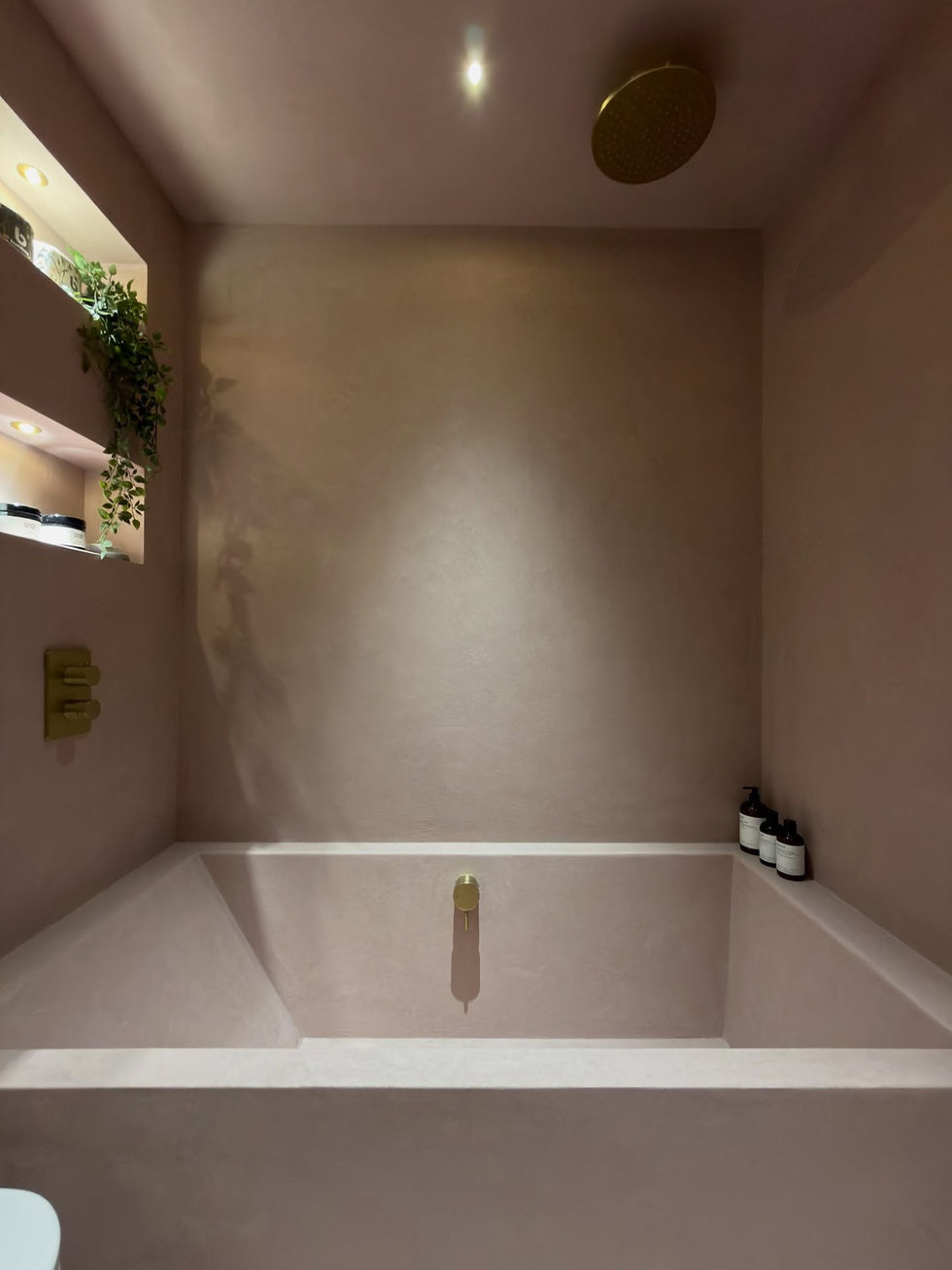
A smooth microcement finish is perfect for those who love a refined, modern aesthetic. This finish has minimal texture and creates a sleek, uniform surface that feels calm and understated.
Best for:
Bathrooms and wet rooms
Kitchens and splashbacks
Floors in modern interiors
Minimalist or contemporary homes
Why choose smooth microcement?
Clean and elegant appearance
Care requirements matched to the specified coating
Enhances light and space
Works beautifully with modern fixtures and fittings
This finish is ideal if you want microcement to feel subtle and architectural rather than decorative.

2. Textured or Coarse Microcement Finish
Depth, movement and character
A textured (or coarse) microcement finish adds visible movement and variation to the surface. The hand-applied technique creates natural patterns that give walls depth and a more organic feel.
Best for:
Feature walls
Media walls
Statement bathrooms
Spaces that need warmth and character
Why choose textured microcement?
Adds visual interest and personality
Creates a more artisanal, bespoke look
Ideal for feature areas
Works well with soft lighting
This finish is especially popular in spa-style bathrooms and luxury interiors where texture enhances atmosphere.

3. Choosing the Right Microcement Colour
Transform the mood of your space
Colour plays a huge role in how microcement feels within a room. From warm neutrals to rich, dramatic tones, microcement can be tinted to suit a wide range of interior styles.
Popular microcement colour choices:
Warm beiges and greys for timeless interiors
Soft neutrals for calm, spa-like spaces
Darker tones for bold, dramatic bathrooms or feature walls
Why colour matters:
Influences light and atmosphere
Helps define the mood of the space
Complements fixtures, lighting and furnishings
At Unico Venetian, samples establish the intended colour, texture and sheen in your lighting. Hand application, substrate, scale and surrounding materials create natural variation, so the completed surface will not exactly reproduce a small sample.

4. Matte vs Satin Sealers
Look, feel and durability
The sealer influences appearance, stain protection and care, but it is only one part of the specified microcement system. Select a compatible product for the surface and its use; sheen alone does not determine suitability.
Matte Sealer
Soft, natural appearance
Minimal sheen
Ideal for a raw, organic look
A matt appearance can suit many interiors. Whether a particular matt sealer is suitable for a wall, wet area or floor depends on its specification, rather than sheen alone.
Satin Sealer
Subtle sheen
Protection specified for the product and intended use
Moisture and wear performance verified for the actual sealer
A satin appearance introduces a little more reflection. Confirm the specific product’s suitability for bathrooms, kitchens or floors, including slip resistance where relevant.
Wet-area performance depends on the complete specified system, suitable substrate, waterproofing, junctions, drainage, installation and maintenance. Sealing alone does not make every microcement finish or bathroom construction waterproof.
Which Microcement Finish Is Right for You?
The right choice depends on:
The room and surface (wall, floor, wet area)
Your interior style and aesthetic goals
Practical requirements like durability and maintenance
Lighting and overall colour scheme
A smoother finish creates quieter movement, while more pronounced textures add character. Consider colour and sheen alongside the system’s suitability, slip resistance, cleaning and expected wear.
Expert Microcement Installation Matters
Microcement relies on suitable substrate preparation, detailing, compatible materials and careful application. The finish is not universally crack-proof or scratch-proof, and curing and aftercare are part of the specification.
At Unico Venetian, every project is tailored to the space, with expert guidance on finish selection, colour and sealing to ensure a premium outcome.
Ready to Choose Your Microcement Finish?
If you’re considering microcement for your home or commercial space, professional advice makes all the difference.
Get in touch with us to discuss your project and explore the best microcement finish for your space.


Comments