Microcement Bathrooms: Pros, Cons & Everything You Need to Know
Updated: 9 hours ago
Microcement bathrooms are quickly becoming one of the most sought-after interior design choices across Scotland and the UK. Known for their seamless finish, modern aesthetic and durability, microcement offers a refined alternative to traditional tiles.
But is microcement right for your bathroom?
In this guide, we break down everything you need to know — from benefits and drawbacks to costs, maintenance and suitability — so you can make an informed decision before starting your project.

What Is Microcement?
Microcement is a thin, cement-based coating that can be applied to walls, floors and surfaces to create a seamless, continuous finish.
It is typically installed in layers over existing substrates such as:
Tiles
Plasterboard
Concrete
Cement boards
A specified microcement system can suit bathrooms, wet rooms and showers. Sealing alone is not enough: substrate preparation, waterproofing, junctions, drainage, compatible materials and installation all affect wet-area performance.
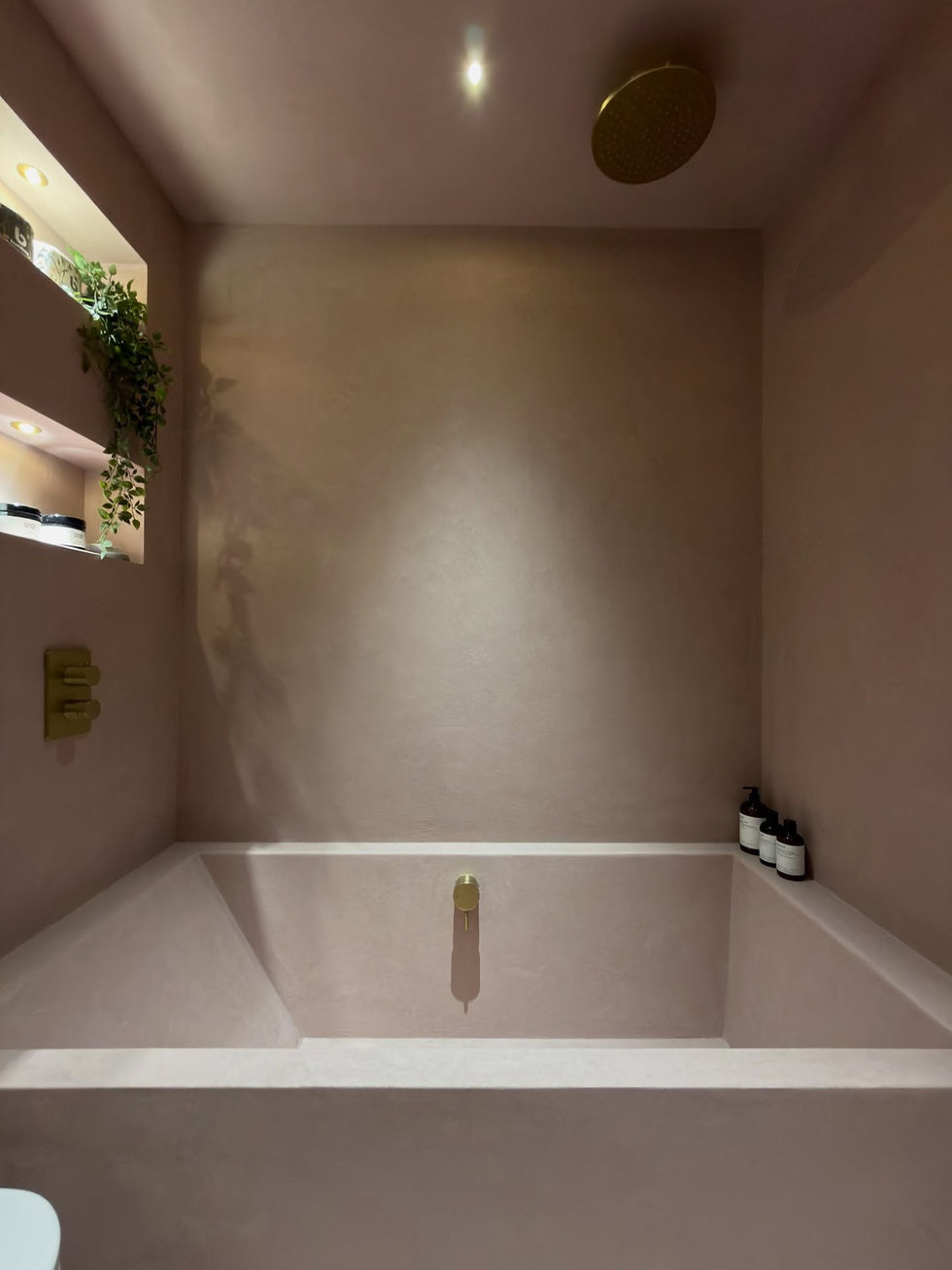
Unlike tiles, microcement eliminates grout lines entirely, resulting in a clean, minimalist look that works across both modern and traditional spaces.
Why Microcement Bathrooms Are So Popular in the UK
The rise in microcement bathrooms across the UK comes down to a combination of aesthetics, practicality and versatility.
Homeowners and designers are moving away from busy tile patterns and toward more calm, cohesive interiors. Microcement allows for a continuous finish across multiple surfaces, creating a sense of space and simplicity — particularly valuable in smaller bathrooms.
It also aligns with broader interior trends for 2026, where texture, warmth and natural tones are replacing colder, high-gloss materials.
The Pros of Microcement Bathrooms
1. Seamless, Grout-Free Finish
One of the biggest advantages of microcement is its seamless appearance.
Without grout lines:
Bathrooms feel larger and more open
There’s less visual clutter
Cleaning becomes much easier
This makes microcement especially popular for walk-in showers and wet rooms.
2. Modern, Luxury Aesthetic
Microcement delivers a high-end, architectural look often seen in boutique hotels and luxury homes.
Available in a range of tones and finishes, it can be tailored to suit:
Soft neutral palettes
Earthy, natural interiors
Dark, moody spaces
It pairs particularly well with materials like brass, wood and stone.
3. Can Be Applied Over Existing Tiles
Microcement can sometimes be applied over existing tiles if they are sound, firmly bonded and suitable for the specified system. Grout lines, levels, cracks, moisture and movement must be assessed before deciding whether removal is needed.
This can:
Reduce removal work where existing tiles are suitable
Potentially reduce demolition costs, depending on preparation
Limit some disruption where the existing construction is suitable
Retaining tiles may reduce removal work, but additional preparation and detailing can be needed. Suitability and any programme or cost benefit must be assessed for the individual project.
4. Performance specified for the application
A correctly specified microcement system can be used for suitable bathroom applications, including:
Shower walls
Wet room floors
Bathroom surfaces
Choose the system around expected wear, use and aftercare. Durability varies with the materials, substrate preparation and installation; no decorative finish is universally scratch-proof or crack-proof.
5. Easy to Maintain
Fewer grout lines can simplify cleaning, but microcement still needs the care specified for its coating and sealer. Ventilation and moisture management remain important.
Follow the installed system’s care guidance. Typical precautions include:
Approved pH-neutral, non-abrasive cleaning products
Soft cloths or mops
This makes it a practical choice for busy households.

The Cons of Microcement Bathrooms
While microcement offers many benefits, it’s important to understand the potential drawbacks.
1. Requires Skilled Installation
Microcement is not a DIY product. The final result depends heavily on the skill and experience of the applicator.
Poor installation can lead to:
Cracking
Uneven finishes
Waterproofing issues
Working with experienced microcement specialists in the UK is essential.
2. Initial Cost Can Be Higher
Compared to standard tiling, microcement can have a higher upfront cost due to:
Specialist materials
Skilled labour
Multi-layer application process
Retaining a suitable existing finish may reduce removal work, but this is not guaranteed. Compare quotations for the same preparation, waterproofing, detailing and installation scope.
3. Surface Preparation Is Critical
Microcement can be applied over existing surfaces, but only if they are properly prepared.
Any movement or instability beneath the surface can affect the finish, so:
Substrates must be stable
Cracks must be treated
Waterproofing systems must be correctly installed
4. Not Completely Scratch-Proof
While durable, microcement is not indestructible. Sharp objects or heavy impact can cause marks or scratches over time.
Repairs should be assessed for the installed system. A repair may remain visible because colour, texture and sheen can differ from the surrounding hand-applied surface.
Is Microcement Waterproof?
This is one of the most common questions when considering microcement for bathrooms and wet rooms.
Microcement systems differ. Forcrete describes its resin-based Micro-Quartz coating as waterproof before sealing. That product characteristic does not by itself make an entire bathroom or wet-room construction watertight.
As a Forcrete approved installer, we specify the installation around the substrate and intended use. Wet-area performance also depends on suitable waterproofing, drainage, junctions and penetrations, compatible layers and correct application.
Professional installation typically includes:
• A substrate and wet-area waterproofing specification suitable for the construction
• Specified reinforcement and movement-joint details; mesh does not make the surface crack-proof
• Compatible finish coatings and sealers, with appropriate curing and aftercare
A coordinated specification can provide a continuous decorative finish for bathrooms, showers and wet rooms. Suitability and detailing must be confirmed for each project.
At Unico Venetian, we assess and install specialist microcement systems for residential and commercial projects across Scotland and the UK.
Microcement vs Tiles: Which Is Better?
Both options have their place, but they offer very different results.
Microcement:
Seamless finish
Modern, minimal aesthetic
Easier to clean
More design flexibility
Tiles:
More traditional look
Wider range of patterns
Costs vary with tile choice and the full installation scope
Grout maintenance required
Microcement can suit a brief for continuous surfaces and an individually crafted finish. Compare the specified system, preparation and aftercare with the tile options for your project.
How Much Does a Microcement Bathroom Cost in the UK?
Costs vary depending on:
Size of the space
Surface preparation required
Complexity of the design
Installer experience
There is no single dependable price per m² for every bathroom. Send the location, dimensions, substrate details and photographs or drawings for a quotation based on the actual scope.
A quotation should identify preparation, waterproofing, coating stages, detailing, access and any exclusions. Compare those requirements alongside the appearance of the finish.
Is Microcement Right for Your Bathroom?
Microcement is ideal if you are looking for:
A seamless, grout-free bathroom
A modern, luxury aesthetic
A surface specified for its intended use and aftercare
A cohesive design across walls and floors
It may not be the best choice if you are working with a very tight budget or looking for a quick, low-skill installation.
Working with Microcement Specialists in Scotland & the UK
The success of a microcement bathroom comes down to expert application.
As experienced decorative plaster and microcement specialists working across Scotland and the UK, we ensure:
Proper surface preparation
High-quality materials
Precision application
A finish specified around intended use and aftercare
Every project is specified around the space, with preparation, finish, practical use and aftercare considered together.
Final Thoughts
Microcement bathrooms are more than just a trend — they represent a shift toward simpler, more refined interiors that prioritise both aesthetics and function.
With the right design and professional installation, microcement offers a long-lasting, high-end solution that elevates any bathroom space.


Comments