How Much Does Venetian Plaster Cost in the UK? 2026 Price Guide
Venetian plaster has become an increasingly popular choice for homeowners looking to introduce texture, depth and a more luxurious finish to their interiors. From statement living room walls to hallways, bedrooms and commercial spaces, its handcrafted appearance offers something that conventional paint and wallpaper simply cannot replicate.
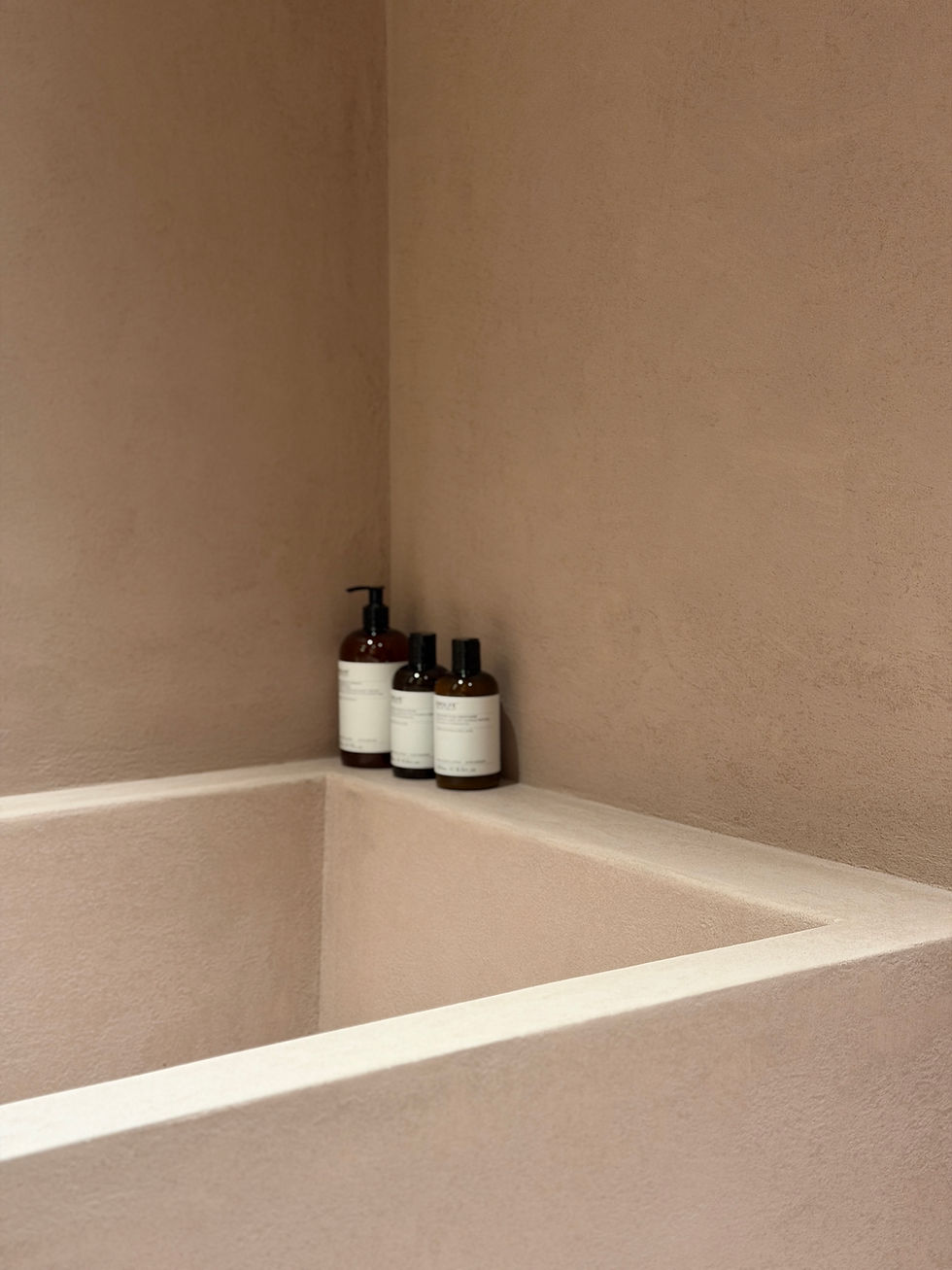
But one of the first questions we’re asked is: how much does Venetian plaster cost?
There isn’t a single price that applies to every project. The cost of Venetian plaster in the UK depends on several factors, including the finish you choose, the condition and size of the walls, the level of preparation required and the complexity of the application.
In this guide, we look at what influences Venetian plaster prices in 2026, what to consider when budgeting for your project and why specialist application matters.
How Much Does Venetian Plaster Cost Per m²?
Venetian plaster is a specialist, hand-applied decorative finish, so it will generally cost more per square metre than standard painting and decorating.
Rather than looking at Venetian plaster as simply another wall covering, it’s better considered a bespoke surface finish. The cost reflects not only the materials being used, but also the time, preparation and craftsmanship required to achieve the final result.
Prices can vary considerably depending on the chosen finish and project requirements, which is why professional Venetian plaster companies will usually provide a bespoke quotation after discussing the space.
A relatively simple feature wall with a subtle finish, for example, may require considerably less work than a large staircase with multiple angles, difficult access and a highly polished finish.

What Affects the Cost of Venetian Plaster?
Several factors determine the final price of a Venetian plaster project.
1. The Type of Venetian Plaster Finish
There are many different types of Venetian and decorative plaster, and each requires a different application process.
A subtle, lightly textured Marmorino finish may have different material and labour requirements from a highly polished, marble-effect wall or a more dramatic textured finish.
Some specialist finishes require additional layers, polishing, pigments or protective coatings, all of which can influence the overall cost.
Your chosen aesthetic will therefore play an important role in determining your quotation.
2. The Size of the Area
As with most interior finishing work, the overall surface area will affect the price.
However, Venetian plaster pricing isn't always as simple as multiplying the wall area by a fixed square-metre rate.
Smaller projects still require preparation, materials, equipment and setup, meaning a single small feature wall can sometimes have a higher cost per square metre than a much larger project.
For larger residential and commercial projects, economies of scale may make the overall rate more efficient.
3. The Condition of Your Walls
Preparation is one of the most important stages of any Venetian plaster installation.
For the finished surface to look its best, the underlying wall needs to be stable, smooth and properly prepared.
If existing walls have cracks, damaged plaster, uneven surfaces or previous decorative coatings that need attention, additional preparation may be necessary before the Venetian plaster can be applied.
Good preparation isn't an area worth cutting corners on. The quality of the substrate directly affects the appearance and longevity of the finished wall.
4. The Complexity of the Space
Not every wall is equally straightforward to plaster.
Large uninterrupted walls can be relatively simple to access, while staircases, curved surfaces, columns, alcoves, high ceilings and architectural detailing require considerably more precision and time.
Access can also influence the cost. Double-height entrance halls or tall stairwells, for example, may require specialist access equipment or scaffolding.
This is why two projects with the same approximate square meterage can have very different costs.
5. Colour and Bespoke Effects
One of the advantages of Venetian plaster is the ability to create a finish specifically for your interior.
Colours can be selected to complement the wider design scheme, while specialist application techniques can create anything from subtle tonal movement to dramatic stone, concrete or metallic effects.
More complex bespoke finishes may involve samples, colour development and additional application stages before the desired result is achieved.
For clients working with an architect or interior designer, samples can also help establish exactly how the finish will interact with flooring, joinery, lighting and other materials within the space.

Is Venetian Plaster More Expensive Than Paint?
Initially, yes. Professionally applied Venetian plaster will usually cost more than painting a wall.
However, the two finishes aren't directly comparable.
Paint provides colour and a relatively uniform surface, while Venetian plaster introduces colour, natural variation, texture and depth. Every surface is applied by hand, giving the finished wall its own individual character.
Venetian plaster is also chosen for its longevity. Rather than regularly repainting a feature wall as colours fade, become marked or trends change, a well-applied decorative plaster finish can remain part of an interior for many years.
For this reason, many homeowners view Venetian plaster as an investment in the overall design of their property rather than simply a decorating expense.
Is Venetian Plaster Worth the Cost?
For homeowners looking for the cheapest possible way to decorate a room, Venetian plaster is unlikely to be the right choice.
For those looking for craftsmanship, longevity and a completely bespoke finish, however, it can be a worthwhile investment.
Unlike mass-produced wall coverings, Venetian plaster is created by hand specifically for the space. Subtle differences in movement and tone are part of its character, meaning no two installations are exactly the same.
It's this combination of craftsmanship and individuality that has made Venetian plaster increasingly popular within luxury residential and commercial interiors across the UK.
Does Venetian Plaster Add Value to a Home?
It's difficult to place a specific monetary value on an individual interior finish, and Venetian plaster alone won't determine the value of a property.
However, high-quality finishes can contribute significantly to the overall impression of an interior.
Thoughtfully specified Venetian plaster can make a property feel more considered, distinctive and premium, particularly when incorporated as part of a wider architectural or interior design scheme.
For luxury renovations and high-end developments, this attention to material and craftsmanship can help distinguish a property from more standard interiors.
What About Microcement?
If you're researching Venetian plaster prices, you may also have come across microcement.
Although the two are sometimes grouped together as specialist decorative finishes, they have different properties and applications.
Microcement is particularly popular for seamless bathroom walls, wet rooms and floors, whereas Venetian plaster is commonly chosen for decorative walls and architectural features.
The right option will depend on where the finish is being installed, the desired appearance and the practical requirements of the space.

Planning a Venetian Plaster Project in 2026?
If you're considering Venetian plaster for your home, the best place to start is by thinking about the space, the approximate area you'd like to cover and the type of finish you want to achieve.
From subtle, natural Marmorino to polished statement surfaces, the right finish can completely change the character of a room.
Get in touch with our team to discuss your project and receive a bespoke quotation for Venetian plaster in Scotland or elsewhere in the UK.


Comments